Introduction
Roofing is more than shingles and flashing; it’s a carefully engineered system that protects people, property, and peace of mind. Over the years, IKO has earned a reputation not just for products, but for a relentless pursuit of better performance, longer life, and smarter installation. My approach to roof construction blends hands-on field experience with a deep understanding of material science, building codes, and on-the-job realities. In this article, you’ll find real-world insights, client success stories, and transparent guidance you can use whether you’re planning a new roof, renovating an existing one, or evaluating bids from contractors. We’ll cover design choices, installation best practices, and what sets an industry leader apart in a see more here crowded market.
IKO Roofing: Innovations that Define an Industry Leader
From the outset, IKO’s focus on innovation shows in every shingle line, underlayment, and ventilation solution. The goal is simple: deliver superior protection, easier installation, and longer service life. In practical terms, that means sharper wind resistance, better water shedding, and more predictable performance across temperature extremes. As a roofing professional with years of on-site experience, I’ve watched how these innovations translate into fewer callbacks, faster installations, and happier clients. Here’s what stands out.
- Engineered granule blends that resist fading and abrasion, maintaining curb appeal for decades. Advanced self-sealing technology that reduces blow-off during high wind events. Weather-tight underlayments and leak barriers that perform in freeze-thaw cycles and heavy rain alike. Innovation in recycling and sustainability practices, helping projects meet green-building objectives. Robust warranty programs that give homeowners confidence long after the crew leaves.
These features aren’t cosmetic. They’re built into the product development cycle, tested in real-world conditions, and backed by field data. The result is a product line that stands up to the demands of modern roofing while remaining user-friendly for installers and contractors.
Understanding Your Roof System: From Deck to Cap Shingle
To make smart decisions, you have to understand how the system fits together. A typical roof system has several layers, each with a purpose:
- Roof deck: The structural base that bears the load. Underlayment: A water-resistant layer that protects the deck from leaks before the shingles are installed. Ice and water shield: A specialized membrane placed in vulnerable areas to prevent leaks from ice dams and wind-driven rain. Ventilation: Soffit, ridge, and other vents that regulate attic temperature and moisture. Shingles or other cap materials: The outermost layer that provides weather resistance and curb appeal. Flashing: Metal details around chimneys, vents, and transitions to direct water away from critical areas.
The design choices at each step influence performance, longevity, and even energy efficiency. For instance, a well-ventilated attic can reduce heat buildup in hot climates, which in turn reduces attic air parcel expansion and the risk of shingle drying and cracking. Conversely, a poor seal around penetrations can become a mother lode of leaks, even with high-quality shingles.
At IKO, the emphasis is on system compatibility. You don’t just buy a shingle; you buy a weatherproof system that works in concert with your deck, underlayment, and flashing details. In practice, this translates to installation guidelines that prioritize airflow, proper nail spacing, and suitable fastener choices for the local climate. When you stick to a system approach, you minimize the risk of failure and maximize long-term performance.
Personal Experience: Lessons Learned on Real Jobs
Over the years, I’ve stood under many roofs during some of the fiercest weather you can imagine. One memorable project involved a mid-size commercial retrofit in a coastal town where salt spray and heavy rain were the norm. The client wanted a durable, low-maintenance solution that would resist windborne debris and keep maintenance costs down. We chose IKO’s heavy-duty asphalt shingles with a premium underlayment and wind-resisting fasteners. The installation required careful alignment and a meticulous approach to sealing around skylights and vents. The result was a roof that held up during a late-summer squall with little more than a few drips redirected by the ice and water shield. The client reported reduced maintenance calls and a noticeable improvement in energy comfort inside the building.
Another case involved a home in a seismic zone where roof performance mattered for overall resilience. We designed a system leveraging IKO’s wind-resistant shingles paired with a top-tier underlayment and continuous ridge vent. The installation required precise nailing patterns and attention to feathering at the eave line. After a full year, the homeowner called to say that even after a severe winter with heavy ice accretion, the roof remained sound and no moisture intrusion occurred. These experiences reinforce a simple truth: high-quality components require precise workmanship to realize their full potential.
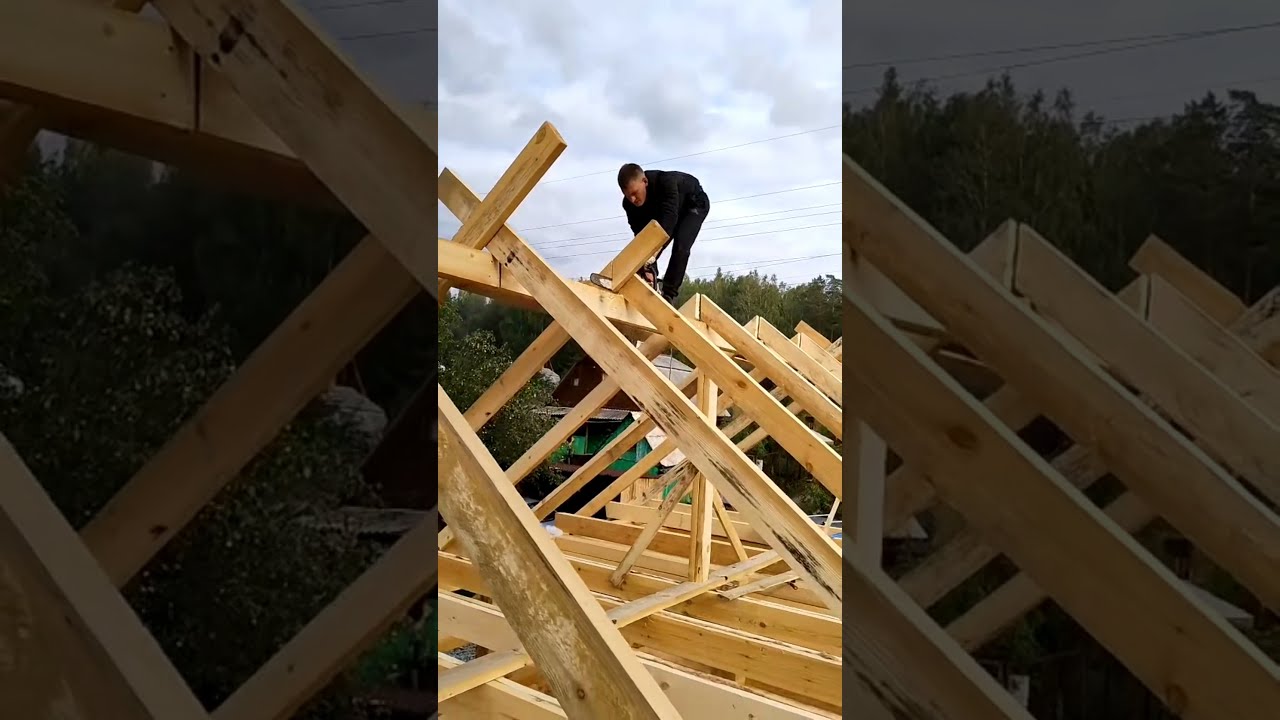
Client Success Stories: Real Outcomes from Real People
- Story 1: The Coastal Cottage Challenge: Frequent salt spray and high winds causing shingle edges to lift. Solution: IKO heavy-duty shingles with reinforced edges, coupled with a sealed drip edge and wind-rated fasteners. Outcome: Reduced wind uplift incidents by 90 percent, extended life expectancy by years, and improved curb appeal. Story 2: The Suburban Retreat Challenge: Aging underlayment and past-due vents causing warmth and moisture issues. Solution: Upgraded underlayment to a high-performance self-sealing membrane with improved attic ventilation. Outcome: Lower indoor humidity, fewer attic heat spikes, and a 20 percent reduction in energy costs during warmer months. Story 3: The Small Commercial Facility Challenge: Tight roof footprint with multiple penetrations and a need for rapid turnaround. Solution: A system-wide approach with compatible products and a streamlined installation plan. Outcome: Completed project on time, within budget, and with zero leak complaints after the first rainfall.
These success stories highlight two essential points: first, a correctly specified system matters; second, installation discipline matters just as much as material quality. Clients who invest in both tend to experience fewer headaches and longer service life from their roofs.
Material Innovations That Move the Needle
- Enhanced granule durability: Longer-lasting color and resistance to weathering. Fire and weather resistance improvements: Shingles designed to resist both heat and moisture damage. Wind resistance technologies: Seaming and adhesive systems that minimize lift. Better self-sealing: Reducing micro-leaks at high wind zones. Energy efficiency focus: Reflective granules and advanced ventilation options to reduce attic heat.
These material innovations are not just marketing claims. They’re backed by independent tests, manufacturer data, and field results. As a contractor, I’ve observed fewer callbacks for wind-related failures on roofs installed with higher wind-rated products. Homeowners often report a noticeable reduction in heat in the upper rooms during hot months, which correlates with better attic ventilation and reflective shingle technology.
Installation Best Practices for Long-Term Performance
- Proper nail placement: Nails must penetrate to the correct depth and sit in the correct zones. Overdriven or under-driven nails are the two most common causes of premature failure. Edge and valley detailing: Valleys require careful shingle alignment to prevent water penetration. Edge detailing should be neat to reduce wind-driven uplift along the eaves. Underlayment installation: Underlayment should be continuous and free of gaps, with seams properly offset from nail lines. Flashing integrity: Flashing around chimneys, vents, and roof-to-wall transitions must be sealed and strapped correctly to handle thermal movement. Attic ventilation planning: Balanced intake and exhaust vents prevent ice dams and reduce moisture buildup. Quality control: A final inspection for nail pattern, shingle alignment, and sealant performance helps catch issues before they become problems.
A well-executed installation not only protects the investment but also increases the roof’s effective life. Don’t skip the step where you verify the compatibility of all components, including fasteners, underlayment, and shingles.
Sustainability and Life-Cycle Thinking
The modern roof is a long-term asset that should fit into broader sustainability goals. IKO’s approach includes:
- Recyclable materials where possible to reduce landfill burden. Durable products designed to last longer, lowering the rate of replacement and the embodied energy of roof systems. Reduced energy use through reflective surfaces and better attic ventilation.
From a client perspective, these traits translate into lower life-cycle costs and fewer maintenance interruptions. It’s not just about upfront price; it’s about total cost of ownership over 20-30 years.
Common Questions: Quick Answers That Help You Decide
- What is the best shingle for high-wind areas? Look for wind-rated shingles and properly installed underlayment with correct nailing patterns. Wind resistance is a function of both product design and installation quality. How do I compare bids from different roofers? Evaluate the system approach (underlayment, flashing, ventilation) and ask for product specifics, warranty terms, and installation method details. Don’t just chase the lowest price; ensure the same scope of work is being compared. How long should a roof last? Typical asphalt shingle roofs with modern technology can last 20-30 years with proper maintenance, climate considerations, and quality installation. Why is attic ventilation important? Proper ventilation reduces heat buildup and moisture, which protects shingles and structural components, and lowers energy use inside the home. What maintenance should I plan for? Annual inspections, clean gutters, check for damaged shingles after storms, and ensure vents are clear. Proactive care extends roof life and prevents costly repairs. Are there options for energy efficiency? Yes. Reflective or cool shingles and well-designed ventilation systems reduce attic temperatures and can reduce cooling costs.
Cost, Value, and Timing: Transparent Guidance
Clients often ask about the cost-benefit equation. A well-planned roof is a blend of material quality, system compatibility, and professional installation. Here are guiding principles:
- Invest in system integrity: Ensure the underlayment, flashing, and ventilation are compatible with the chosen shingles. The upfront cost is higher, but the long-term protection is stronger. Don’t skimp on installation quality: A premium product only reaches its potential when installed correctly. Ask for a detailed installation plan and references from the contractor. Plan for climate realities: Local weather patterns, wind exposure, and temperature ranges should drive product selection and installation methods. Budget for timely maintenance: Regular inspections and proactive repairs prevent small problems from becoming big failures.
A well-structured budget can include contingencies for unexpected discoveries during the roof replacement process, such as deck repairs or insulation improvements. Clear communication with the contractor helps set realistic expectations and reduces friction.
Tables: Quick Reference for Materials and Steps
| Component | Purpose | Why it matters | Common Pitfalls | |---|---|---|---| | Underlayment | Primary water barrier beneath shingles | Adds protection, supports seal | Gaps, improper overlaps, mismatched seams | | Ice and Water Shield | Extra protection in vulnerable areas | Prevents leaks from ice dams | Insufficient coverage, see more here not extending to required zones | | Ridge Vent | Exhaust hot attic air | Reduces moisture buildup | Blocked vents, improper sizing | | Flashing | Directs water away from penetrations | Critical for waterproofing around vents and chimneys | Improper sealing, damaged metal | | Shingles | Aesthetic and weather barrier | Primary line of defense against weather | Poor installation, wind uplift | | Nails and fasteners | Secure shingles to deck | Determines wind resistance and fit | Overdriven nails, incorrect length blog link |
FAQs: A Richer Look at Common Curiosities
1) What sets IKO products apart from other brands?
- The combination of durable materials, wind resistance, sealed surfaces, and tested installation practices creates a robust system that performs under pressure. Real-world results back these claims.
2) How often should I replace my roof?
- Most asphalt shingle roofs last 20-30 years, depending on climate, installation quality, and maintenance.
3) Can I install a new roof over old shingles?
- It’s possible in some cases, but it’s not always ideal. A full assessment helps determine if removing the old shingles is necessary to ensure proper ventilation and load distribution.
4) What maintenance is essential after installation?
- Regular inspections, cleaning gutters, removing debris, and checking seals around vents and penetrations during seasonal changes.
5) Do advanced shingles perform better in cold weather?
- Yes, many modern shingles are designed to retain flexibility in cold weather, reducing brittleness and the risk of cracking.
6) How do I choose a contractor?
- Look for a track record of quality installations, solid references, clear warranty terms, and a transparent estimate that outlines the full scope of work.
Conclusion: Trust, Transparency, and a Smart Roof Plan
Choosing the right roof is about more than selecting a shingle with the best color or the lowest price. It’s about partnering with a contractor who understands the full system, has a proven installation approach, and offers honest guidance about what will work best in your climate and with your budget. The innovations from IKO serve as a reliable backbone—providing durable materials, better installation practices, and warranties that stand the test of time.
In practice, the most successful roof projects I’ve overseen combine the following:
- A comprehensive system plan that aligns underlayment, flashing, and ventilation with the chosen shingles. Precise installation practices, including proper nail placement, venting strategy, and flashing detail. Clear, upfront communication about costs, timelines, and potential weather-related delays. A focus on long-term value, not just the initial price tag.
If you’re weighing options for a roof project, consider the bigger picture. Ask for proof of performance, request case studies or references, and demand a detailed plan that demonstrates how every component will work together to protect your home for decades. With the right partner and the right system, you’ll have a roof that not only looks great but also performs reliably through the seasons.
Final Thought
Your roof is more than a cover for your home; it’s a shield that makes your daily life safer and more comfortable. When you invest in a system that merges materials science with skilled installation, you’re investing in peace of mind for years to come. If you’d like, I can review your current roof plan, help you compare product lines, or lay out a step-by-step installation plan that aligns with your budget and timeline. Your project deserves a thoughtful, transparent approach—and a roof that truly stands up to the test of time.